EPA proposes approving San Joaquin Valley plan for 2015 ozone standard
- Plan relies on CARB commitments to cut emissions by 2037
- Proposal also covers statewide consumer products VOC rules
- Public comments accepted for 30 days after publication
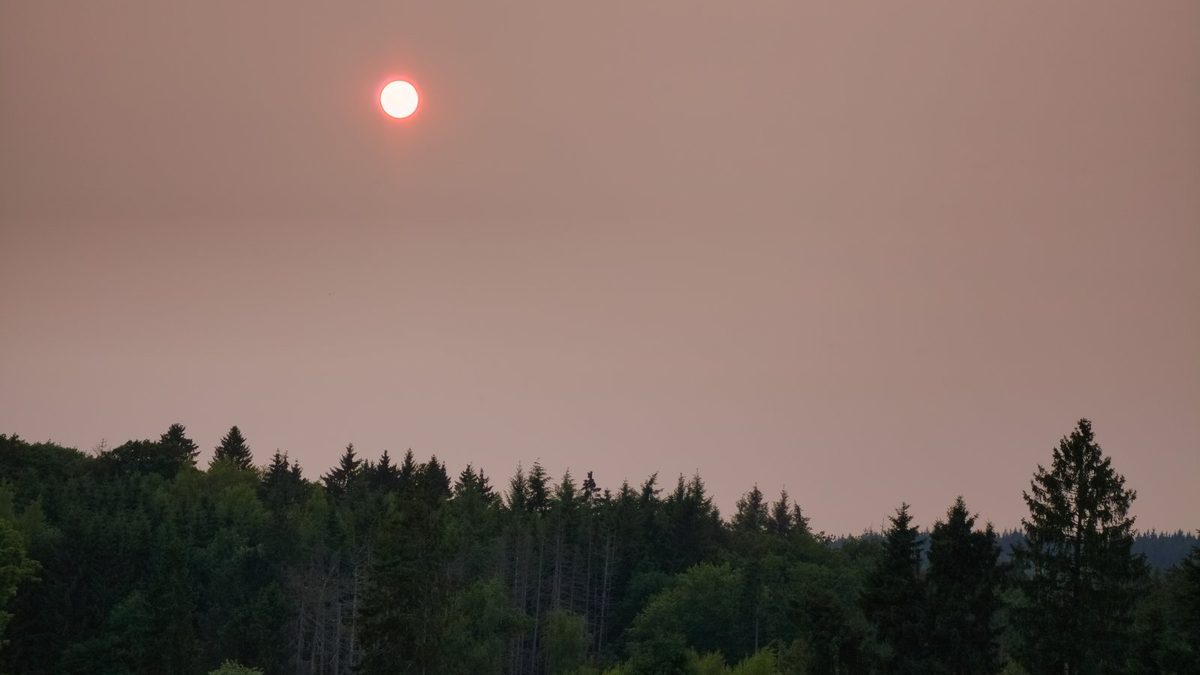 Photo: Wikimedia Commons - Tristan Schmurr, CC BY 4.0
SAN FRANCISCO, Oct 30 — The U.S. Environmental Protection Agency (EPA) proposed to approve California's air quality plan for the San Joaquin Valley under the 2015 8-hour ozone standard, which would make state emission reduction commitments federally enforceable if finalized.
The proposal covers the plan's emissions inventories, reasonably available control measures, attainment demonstration, rate of progress and reasonable further progress, motor vehicle emissions budgets and enhanced monitoring, according to the proposed rule in docket EPA-R09-OAR-2026-8252. The area is classified as "Extreme" for the 2015 ozone standard.

Under the plan, the California Air Resources Board (CARB) commits to aggregate emission reductions of 38.1 tons per day of oxides of nitrogen (NOx) and 13.6 tons per day of volatile organic compounds (VOC) in the San Joaquin Valley by 2037. Of that, 32.4 tons per day of NOx and 12.9 tons per day of VOC would come from new or improved control technologies, the agency said.
CARB also committed to submit contingency measures by Jan. 1, 2034, to cover any shortfall in reductions from those new technology provisions, according to the proposal.
The plan's modeling projects a 2037 ozone design value of 0.068 ppm at the Clovis monitoring site, the EPA said. The 2015 standard is 0.070 ppm.
EPA said the state revised its plan in 2026 after Congress enacted statutes disapproving waivers previously issued by EPA for certain CARB mobile source regulations and after EPA partially disapproved CARB's heavy-duty vehicle inspection regulation.
The proposal also starts the adequacy review for motor vehicle emissions budgets for 2026, 2029, 2032, 2035 and 2037. If the budgets are finalized, local planning organizations and the U.S. Department of Transportation would be required to use them for future transportation conformity determinations.
EPA also proposed to approve 2021 and 2022 amendments to CARB's statewide consumer products regulations and Method 310. CARB estimates the amendments will cut statewide VOC emissions by about 8 to 10 tons per day by 2031, according to the document.
The nonattainment area covers San Joaquin, Stanislaus, Merced, Madera, Fresno, Tulare and Kings counties and the western portion of Kern County. EPA will accept comments for 30 days after the proposal's publication in the Federal Register, which is set for Nov. 5, 2026.
Need these as they happen? Real-time alerts filtered to your dockets, agencies and topics →