Brazil decree sets criteria for critical and strategic minerals list
- Criteria are economic, socio-environmental and climate-related
- Minerals may be grouped into three priority classes
- Council to set and update list by resolution on reasoned Mines and Energy Ministry proposal
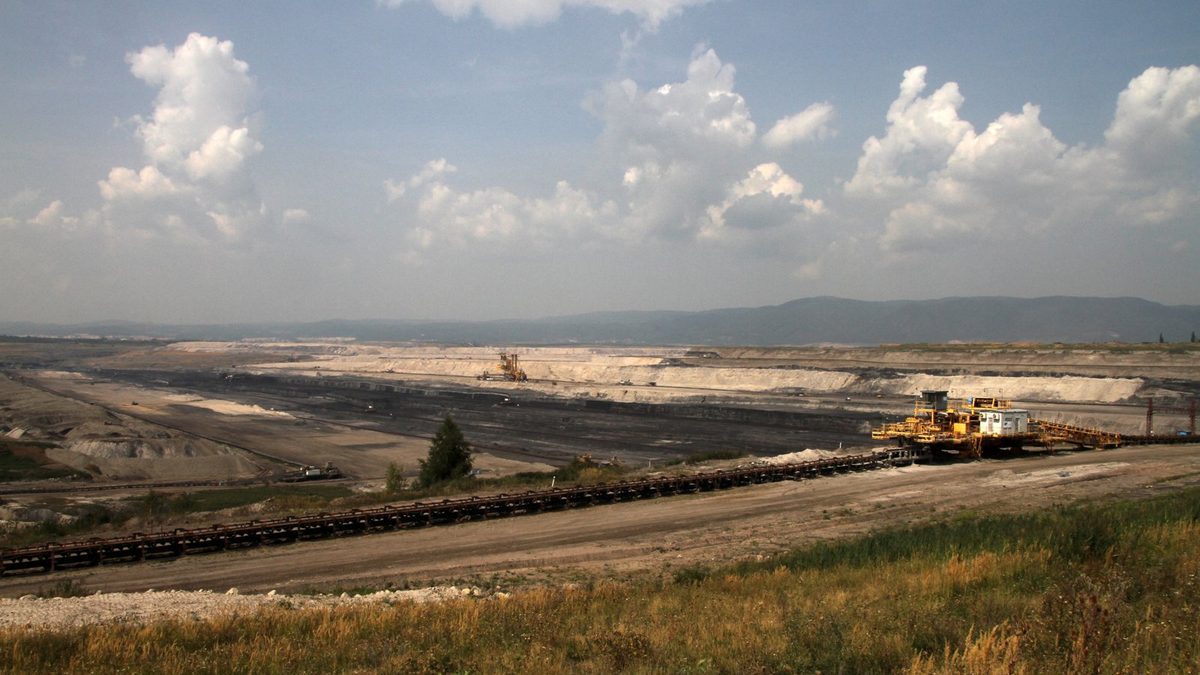 Photo: Wikimedia Commons - Gerd Eichmann, CC BY 4.0
BRASILIA, Nov. 4 — Brazilian President Luiz Inacio Lula da Silva signed a decree on Nov. 4 setting economic, socio-environmental and climate criteria for defining and updating the list of substances classed as critical minerals and strategic minerals.
Decree No. 13,146, published in the Diario Oficial da Uniao on Nov. 4 and in force from publication, also allows these minerals to be organized into priority classes to guide the National Policy on Critical and Strategic Minerals (PNMCE), according to the decree.
To be classed as critical, a substance must meet all three conditions in the decree. It must be needed by key sectors of the national economy. Its supply must be insufficient, unstable or vulnerable. A possible shortage must pose a relevant risk to the country's economy, including in areas related to the energy transition, food security and national security.
A strategic mineral must show significant reserves and be essential to at least one aim: a trade surplus, technological development, regional development or the reduction of greenhouse gas emissions in its production chain. One substance may be classed as both critical and strategic, provided it is shown to meet the requirements of each legal definition.
Class 1 covers substances that require priority action by the state. Class 2 covers substances whose relevance justifies development measures, and class 3 those warranting strategic monitoring and periodic reassessment. A priority class does not by itself mean automatic approval of projects or the granting of benefits, the decree said.
The National Council for the Industrialization of Critical and Strategic Minerals (CIMCE) will define and update the list by resolution, based on a reasoned proposal from the Ministry of Mines and Energy.
The list will be reviewed every four years in line with the Multi-Year Plan, under Law No. 15,506 of Sept. 16, 2026, and CIMCE may carry out extraordinary reassessments.
Need these as they happen? Real-time alerts filtered to your dockets, agencies and topics →