U.S. refinery utilization averages more than 95% from May to September, EIA says
- Highest for those months since 1998, EIA says
- Tight global product supplies boosted margins, particularly for diesel
- Refining capacity down 4% since 2019
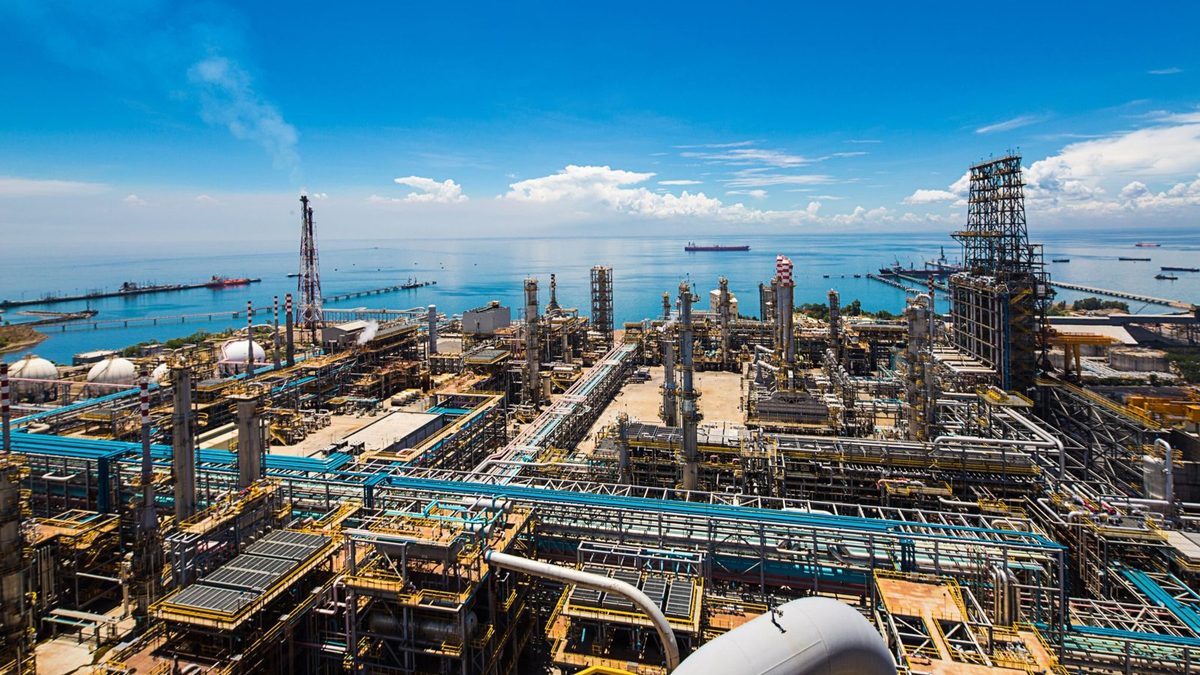 Photo: Wikimedia Commons - Makubex1985
WASHINGTON — U.S. refineries ran at an average of more than 95% of capacity between May and September this year, the highest for those months since 1998, the U.S. Energy Information Administration (EIA) said, citing tight global product supplies.
Since 1991, U.S. refinery utilization has averaged 92% from May to September, compared with 88% across the other seven months, according to the EIA.

The agency said tight global product supplies this year boosted margins for petroleum products, particularly diesel, which encouraged the higher run rates.
This year's refinery runs were driven largely by tight global supplies of distillate fuel oil, which led to high international demand for U.S. distillate fuel oil exports, the EIA said.
U.S. refineries tend to run at their highest rates between May and September to supply gasoline for the summer peak demand season, while distillate demand peaks in the fall and winter, according to the agency.
Because refineries produce both gasoline and distillates, high summer utilization usually leads to an increase in distillate inventories before seasonal refinery maintenance and the peak distillate demand season, the EIA said.
While utilization was the highest since 1998, total U.S. refinery output was only the highest since 2019, because refining capacity has decreased by 4% since then, the agency said.
In the first three weeks of October, U.S. refinery utilization decreased from its summer highs but remained above the five-year (2021–2025) seasonal average, according to the EIA.