UK energy secretary agrees to consent for Jackdaw North Sea gas field
- Regulator grants consent for gas production at licensed field
- Government expects around 6% rise in domestic gas output at peak
- Chancellor announces Energy Wealth Fund with initial $2.67 billion (2 billion pounds sterling)
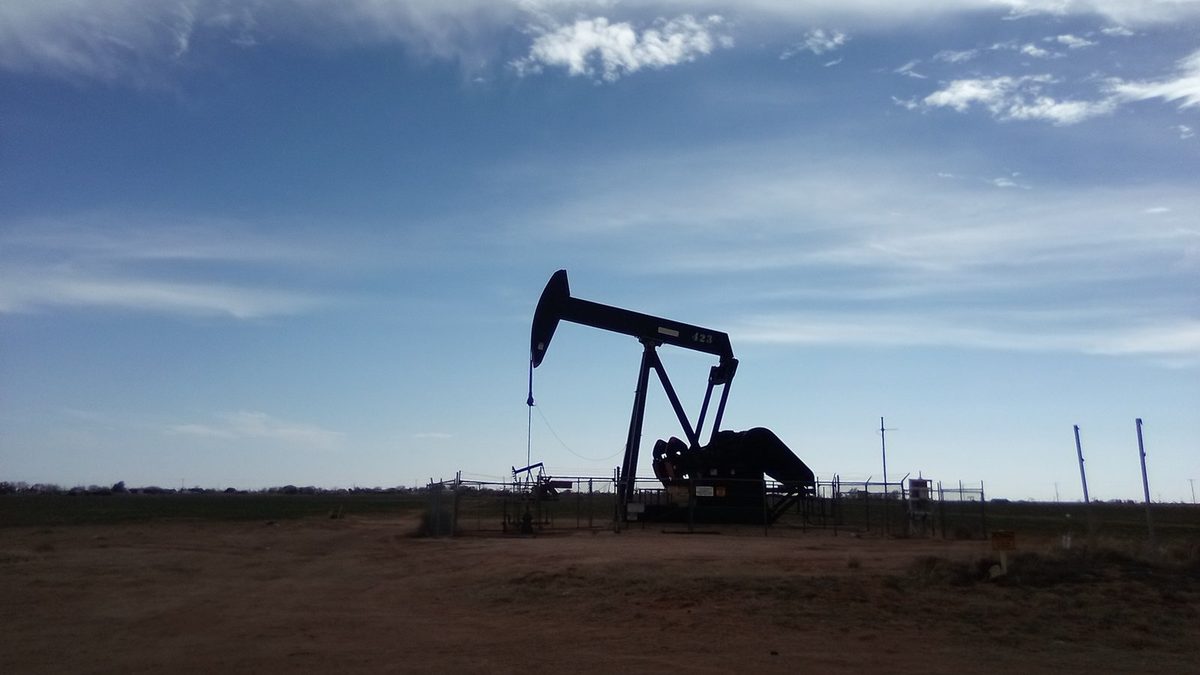 Photo: Wikimedia Commons - Gerardolagunes
LONDON — Britain's Energy Secretary Miatta Fahnbulleh has agreed that the North Sea Transition Authority (NSTA) can grant consent for gas production at the licensed Jackdaw field, which the government said could supply gas from the end of this month.
The government said the decision is expected to increase domestic gas production by around 6% at its peak, over the field's lifespan of up to 11 years. The developer, Adura, estimates the project will add around $3.87 billion (2.9 billion pounds sterling) to the UK economy, create 27 new direct jobs and safeguard 273 existing jobs, according to the government.
Over its lifetime, Jackdaw is estimated to produce gas with an energy equivalent to around 40 million barrels of oil, the government said.
NSTA Chief Executive Stuart Payne said the regulator had granted consent for the Jackdaw Field development "after robust scrutiny".
"The decision is compatible with our legally binding climate commitments, and we remain resolute in ending new licences for oil and gas and achieving net zero by 2050," Fahnbulleh said.
According to the government, the Energy Secretary had to consider a new environmental framework after the Supreme Court's 2024 ruling in the Finch case.
Chancellor of the Exchequer John Healey also announced a new Energy Wealth Fund. The fund will use tax revenues from North Sea oil and gas to invest in renewable and low carbon energy projects, starting with an initial injection of $2.67 billion (2 billion pounds sterling), the government said.
The government said it is also asking the regulator to consider urgent cases that could benefit now from measures similar to the planned Transitional Energy Certificates, which will allow some oil and gas production in already-explored areas near licensed fields linked via a tieback, before legislation on the certificates is in place.