NRC finalizes rule letting DOE, DOW reactor data support commercial licence applications
- Applicants may reference prior DOE or DOW demonstration authorizations
- Applicants must still show compliance with NRC requirements
- NRC received 136 unique comment submissions on proposal
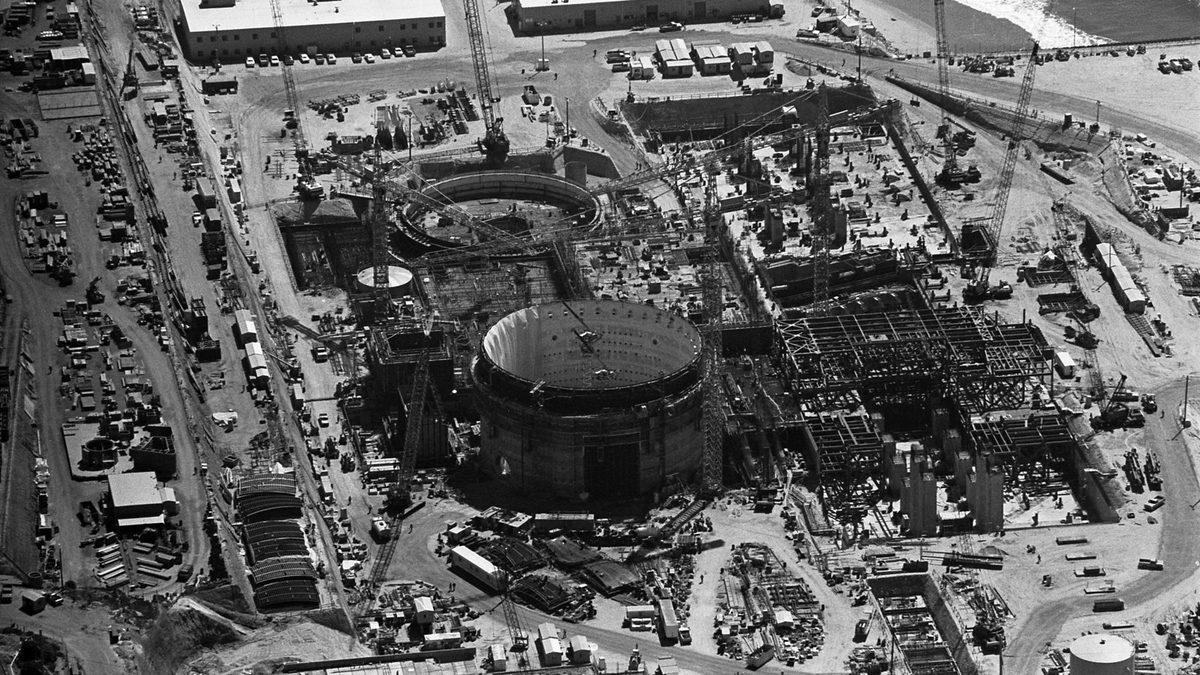 Photo: Wikimedia Commons - Larry Sharkey, Los Angeles Times, CC BY 4.0
What changed Section 50.43(e) provides two options for applicants to demonstrate how newer reactor designs accomplish their safety functions, and the final rule adds an option in § 50.43(f) to reference information from a prior DOE or DOW authorization.
ROCKVILLE, Md. — The Nuclear Regulatory Commission (NRC) has finalized a rule allowing applicants to use relevant analyses, test data and other information from U.S. Department of Energy (DOE) or U.S. Department of War (DOW) reactor demonstration programs to support commercial reactor license applications, the agency said.2
The rule amends 10 CFR Parts 50 and 53 and is designed to make NRC reviews more efficient by allowing the agency to build on existing technical evidence while independently evaluating the safety of proposed commercial projects, according to the NRC's press release.2
The release said it is the first major change to NRC reactor regulations finalized under Executive Order 14300, which President Donald J. Trump signed on May 23, 2025, according to the final rule.1
"This rule delivers the EO 14300 vision for an expedited path from DOE and DOW projects to NRC commercial licensing," Chairman Ho K. Nieh said.2
Applicants using the pathway must identify how aspects of the prior authorization satisfy NRC regulations and address any changes to the design, its functionality, associated hazards, siting information or underlying safety assumptions, according to the final rule.1
The rule says nothing in it delegates to DOE, DOW or any other agency the NRC's functions to evaluate a request for NRC approval, or allows the NRC to forgo an independent review.1 If an authorization does not supply all necessary information, applicants must address any remaining gaps, the rule said.1
The NRC said it generally expects cost savings to applicants and the agency but was not able to quantify these potential savings in a useful way at this time.1
The rule takes effect 30 days after publication in the Federal Register, which the release said is expected next week.2
The NRC proposed the rule on April 2, 2026, with a comment period ending May 4, 2026, and held a public meeting on April 14, 2026.1