Brazil's ANEEL approves 2026 energy development account budget of $9.89 billion (52.66 billion reais)
- Budget is 7% above the 2025 amount, agency says
- Consumer-paid CDE-Uso quotas total $8.97 billion (47.8 billion reais)
- Decision confirms proposal from Public Consultation No. 44/2025
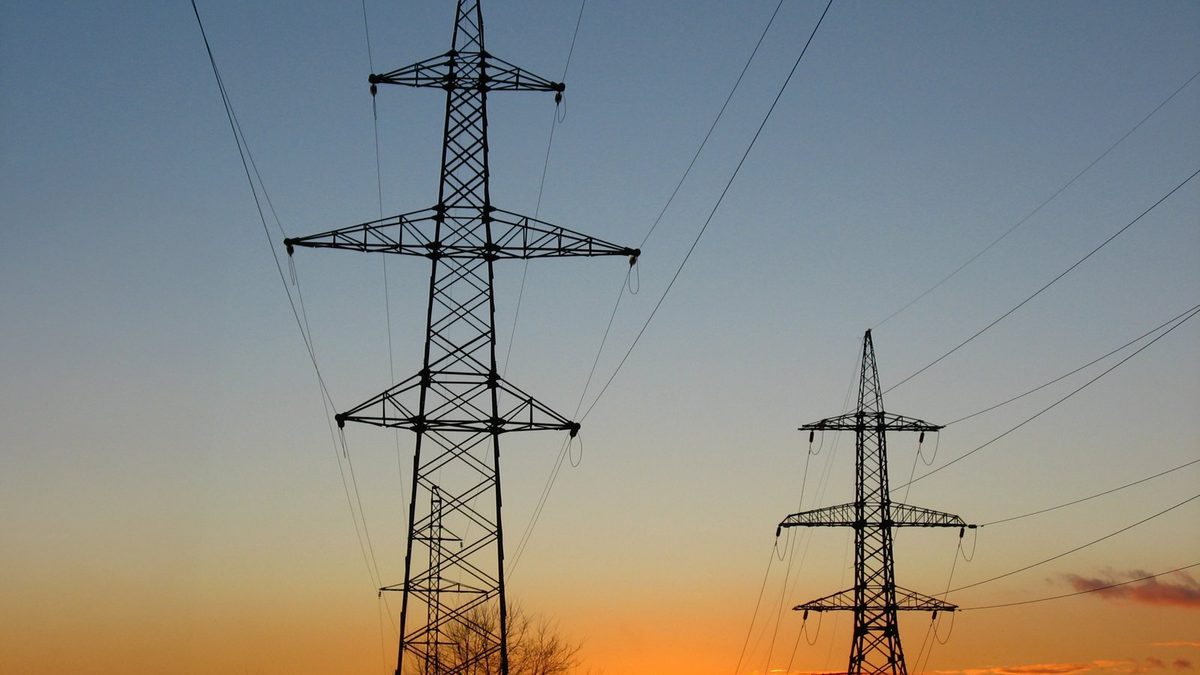 Photo: Wikimedia Commons - Novoklimov, CC BY 4.0
BRASILIA, Oct 27 — Brazil's National Electric Energy Agency (ANEEL) on Oct 27 approved the 2026 annual budget of the Energy Development Account (CDE) at $9.89 billion (52.66 billion reais), confirming the proposal it had put to public consultation.
The amount is 7% higher than the amount set for the CDE in 2025, the agency said.

The CDE is a sector charge that funds the country's energy development through public policies, subsidies and power sector programs, according to ANEEL. These include the social tariff, the Luz para Todos program and incentives for renewable sources.
The $9.89 billion (52.66 billion reais) includes the 2026 annual quotas of the CDE-Uso, which total $8.97 billion (47.8 billion reais), the agency said. Consumers pay the CDE-Uso through their electricity tariffs. ANEEL said this year's CDE-Uso is 15.4% higher than in 2025.
The agency ratified the provisional monthly quotas for distribution concessionaires, which have been collected since January 2026. It also ratified the quota amounts for distribution permit holders that were approved in their 2026 tariff processes.
For transmission companies, ANEEL said it set the monthly CDE-Uso quotas based on a submodule of the Tariff Regulation Procedures (PRORET) and on the CDE-related transmission system usage tariffs (TUST-CDE).
Public Consultation No. 44/2025 received 94 suggestions from 34 sector agents between Dec 10, 2025 and Jan 26, 2026, the agency said. The contributors included direct and indirect beneficiaries, distribution concessionaires, a representative association, generators, consumer councils and research institutes.