Three U.S. grid operators set peak load records this summer, EIA says
- PJM peaked at 162.6 GW on July 2, EIA says
- ERCOT record 91.1 GW, 6.5% above prior record, EIA says
- Most peaks came during regional heat waves, EIA says
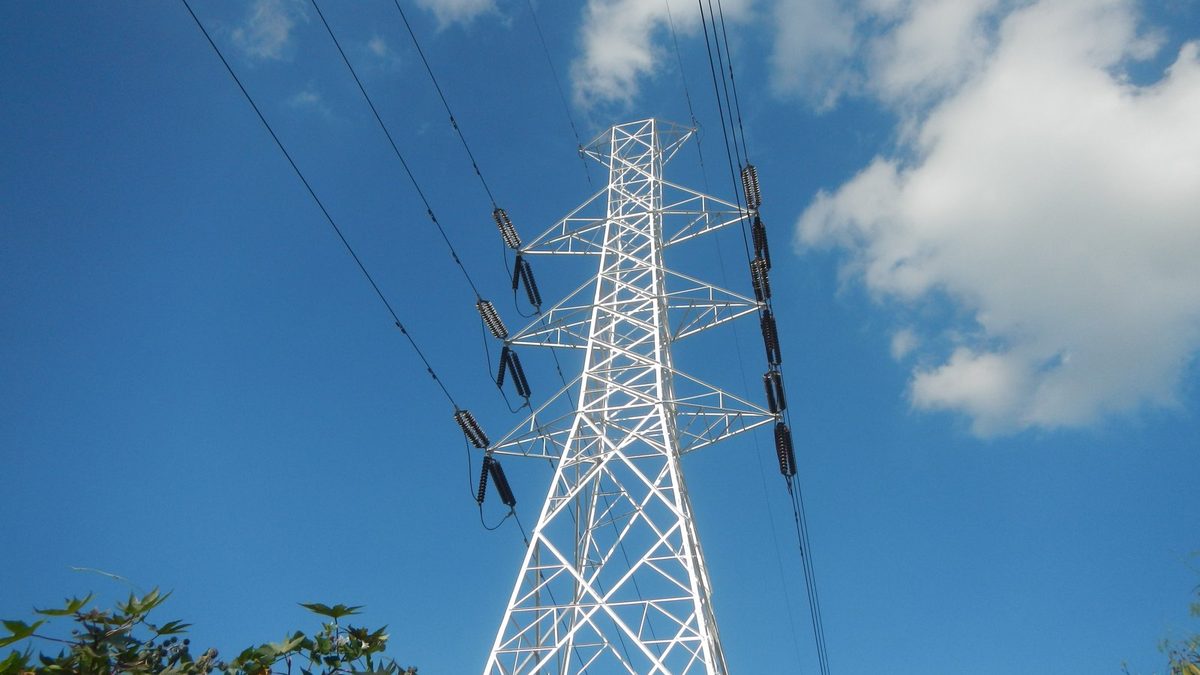 Photo: Wikimedia Commons - Judgefloro
WASHINGTON, Oct 15 — PJM, the Electric Reliability Council of Texas (ERCOT) and the Southwest Power Pool (SWPP) set records for peak hourly electricity load this summer, the U.S. Energy Information Administration (EIA) said on Thursday, citing grid data reported to the agency.
PJM peaked at 162.6 gigawatts (GW) on July 2, 2026, 1.3% higher than its pre-2026 peak of 160.6 GW on June 23, 2025, according to data reported on Form EIA-930 and presented in the agency's Hourly Electric Grid Monitor.

ERCOT peaked at 91.1 GW on July 22, 2026, 6.5% higher than its earlier record of 85.5 GW on Aug. 20, 2024, the EIA said.
SWPP peaked at 58.0 GW on July 27, 2026, 3.5% higher than its pre-2026 peak of 56.0 GW on Aug. 21, 2023, according to the agency.
The EIA said most of these peaks came during regional heat waves, amid what it called the hottest summer on record nationally, which drove up demand for cooling.
Four other grid operators came close to their records, the agency said. The California Independent System Operator (CAISO) reached 50.0 GW on Sept. 9, 2026, below its record of 51.1 GW, and the Independent System Operator New England (ISO-NE) reached 25.3 GW on July 2, below its record of 25.9 GW.
The New York Independent System Operator (NYISO) reached 31.1 GW on July 2. The Midcontinent Independent System Operator (MISO) peaked at 121.5 GW on June 30, below its peak of 127.1 GW on July 20, 2011, as reported by MISO.
The EIA said each balancing authority reports the Form EIA-930 data to the agency and that the data are made available "as-is". It said reporting issues may limit their quality.